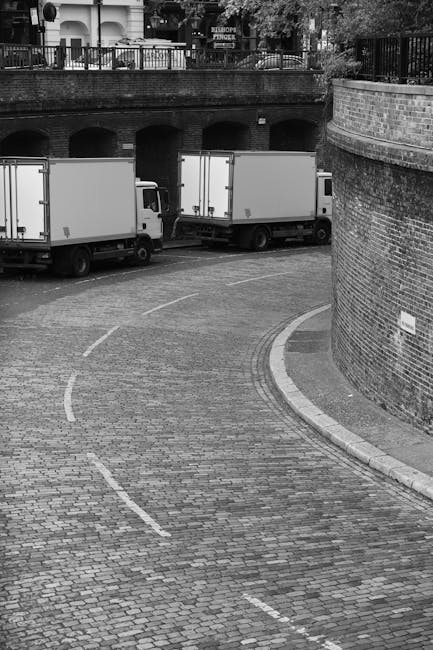
Bermondsey Street movers van access and parking pitfalls
If you are planning a move on Bermondsey Street, the hard part is often not the boxes or the lifting. It is the van access, the parking, and the little road-layout surprises that catch people out at the worst possible moment. A perfectly organised move can still unravel if the van cannot stop close enough, the driver has nowhere safe to wait, or the building access turns out to be tighter than expected.
This guide walks through the real Bermondsey Street movers van access and parking pitfalls people run into, why they matter, and how to plan around them without making your move feel like a full-time project. We will cover practical steps, common mistakes, compliance basics, and the sort of on-the-ground detail that saves time on moving day. Truth be told, this is the part people usually underestimate.
- Quick answer: Bermondsey Street moves work best when access, loading, parking, timing, and building rules are checked in advance.
- Main risk: a van that cannot stop close enough can add delays, extra carrying distance, and unnecessary stress.
- Best approach: plan the route, confirm loading space, and choose the right vehicle and service for the property.
Table of Contents
- Why Bermondsey Street movers van access and parking pitfalls Matters
- How Bermondsey Street movers van access and parking pitfalls Works
- Key Benefits and Practical Advantages
- Who This Is For and When It Makes Sense
- Step-by-Step Guidance
- Expert Tips for Better Results
- Common Mistakes to Avoid
- Tools, Resources and Recommendations
- Law, Compliance, Standards, or Best Practice
- Options, Methods, or Comparison Table
- Case Study or Real-World Example
- Practical Checklist
- Conclusion
- Frequently Asked Questions
Why Bermondsey Street movers van access and parking pitfalls Matters
Bermondsey Street is not the kind of place where you want to wing it on moving day. Space is limited, footfall can be busy, and the practical realities of stopping a removal vehicle are often different from what people imagine when they book the job. A van that is only a few metres further away than planned can change the whole rhythm of the move.
Why does this matter so much? Because every extra step between the van and the front door creates friction. More carrying distance means slower loading, greater risk of damage, and more strain on everyone involved. If you are moving from a flat, a studio, a maisonette, or an office unit, the access issue tends to multiply quickly. That is especially true when lift access is limited, stairwells are narrow, or the nearest stopping point is already occupied.
There is also the stress side of it. Let's face it, nobody wants to be standing on the pavement at 8:15 in the morning, watching the clock, while the driver circles for a legal place to stop. A move that feels calm at the start can turn sharp and rushed once parking becomes a problem. And once the pressure builds, people make small mistakes: leaving doors open, carrying too much at once, or parking illegally for "just a minute". That is where things get messy.
For many customers, the real value of planning van access is not just speed. It is control. When the vehicle, the route, and the loading point are all thought through, the move feels orderly. If you are comparing help options, it can also be worth looking at man and van support or more structured removal services depending on how much is being moved and how awkward the access is.
How Bermondsey Street movers van access and parking pitfalls Works
In practice, a successful Bermondsey Street move is built around three things: where the van can stop, how long it can stay there, and how far items must travel from the property to the vehicle. Those three points sound obvious, but they are exactly where the pitfalls hide.
First, the driver needs a stopping point that is both safe and workable. That may be a bay, a loading area, a short-term waiting space, or a stretch of road where brief loading is allowed. The key is not just whether the van can physically fit, but whether the move can happen without blocking access or creating a risk. A long wheelbase vehicle is great for volume, but not ideal if the street pinches tight near the property. That is one reason many people choose a more flexible removal van rather than a larger truck.
Second, timing matters. Even a good parking spot can be useless if it is already occupied when the van arrives. Busy morning periods, deliveries, tradespeople, and resident parking all compete for the same space. If your move depends on one narrow stopping window, a delay of fifteen minutes can feel like a domino effect. The crew may need to carry items from farther away or wait until the road clears, which can extend the day.
Third, the building itself can change everything. A ground-floor flat with a clear entrance is one thing. A top-floor walk-up with a narrow internal stairwell is another. If the moving team has to navigate doors, corners, and shared hallways, access becomes part of the job, not just a background detail. In that situation, services like flat removals or house removals are usually planned with more care around parking and carrying distance.
What people often miss is that access planning is really about reducing unknowns. The more you can clarify before moving day, the less likely you are to discover a problem with nowhere to stop, nowhere to unload, or nowhere to turn. Not glamorous, but it works.
Key Benefits and Practical Advantages
When access and parking are planned properly, the move becomes noticeably easier. That sounds simple, but in a tight London street, simple is valuable.
- Less carrying distance: items move faster and are less likely to be bumped, dropped, or scraped.
- Lower stress: the crew can work methodically instead of rushing because the bay is about to expire.
- Cleaner scheduling: fewer delays means a more realistic finish time.
- Better vehicle choice: you can match the van size to the street and building access.
- Reduced disruption: careful parking planning helps avoid complaints from neighbours or building managers.
There is another benefit people do not always think about: better packing decisions. When you know the route from property to van will be short and tidy, you can load more efficiently. That matters for awkward items, too. For example, if you need help with heavier belongings, a team offering furniture removals or even specialist piano removals will usually want the access details upfront so they can plan safe handling.
For business moves, the payoff is often measured in fewer lost hours. Office teams do not want to spend half a morning waiting for a van to unload. If you are relocating a workspace, office removals and commercial moves make more sense when access is checked against the building entry points, the lift size, and the parking arrangement before anyone turns up with boxes.
Expert summary: On Bermondsey Street, access planning is not a side note. It is one of the main determinants of whether a move feels controlled or chaotic.
Who This Is For and When It Makes Sense
This topic matters for more people than you might expect. It is not just for large family houses or full-scale office relocations. In Bermondsey, even a relatively small move can run into parking friction.
You will benefit from planning van access carefully if you are:
- moving from a flat with limited street stopping space
- working with a time-limited loading area
- relocating a business with set handover times
- moving large or awkward furniture
- dealing with narrow stairs, shared entrances, or lift restrictions
- using a same-day or short-notice service where timing is tight
Students and short-term renters often assume a small move means a simple move. Sometimes yes. But if the building has no clear loading area and the road is busy, even a few boxes and a desk can become awkward. That is where student removals or same-day removals can be useful, provided the access details are clear and realistic.
It also makes sense for anyone who wants the move to stay calm. That is really the point. If you like things planned properly, this is for you. If you are more of a "we'll sort it on the day" person, Bermondsey Street has a habit of humbling people a bit.
Step-by-Step Guidance
Here is a practical way to plan around Bermondsey Street movers van access and parking pitfalls without overcomplicating it.
- Check the property access first. Measure doorways, stair turns, lift dimensions, and the path from room to exit. If there are tight corners or shared hallways, note them early.
- Map the van stopping point. Identify where a van can legally and safely stop closest to the entrance. Do not assume the obvious spot will be free.
- Clarify loading restrictions. Ask whether the space is resident-only, time-limited, or needs special permission. If the move is for a block or managed building, speak with the building team before moving day.
- Choose the right vehicle size. Bigger is not always better. A smaller vehicle may be easier to position and may save time overall if street access is tight.
- Plan the arrival window carefully. Avoid the busiest part of the morning if possible. In many moves, a slightly later arrival works better than a rushed start.
- Prepare the load order. Put the heaviest or most awkward items near the exit if they are going first. That keeps carrying time down.
- Protect the route. Use coverings for floors and corners where needed, especially in shared buildings. It is a small step that prevents small annoyances becoming big ones.
- Keep a backup plan. If the intended loading point is taken, know the next legal alternative. Even a rough plan B is better than none.
If you are still deciding which service fits the job, it can help to compare a lighter-touch option such as man with a van with a broader removals service. The right choice depends on volume, building access, and how much lifting you want taken off your plate.
Expert Tips for Better Results
Small choices make a surprisingly big difference here. After enough moves, the pattern is obvious: the people who plan the awkward bits early have a much easier day.
Be specific about the road, not just the postcode. Bermondsey Street can have very different access conditions depending on the exact section of the road, the time of day, and nearby activity. Saying "it is on Bermondsey Street" is not enough. Mention the closest landmark, whether the entrance is front or rear, and whether the van needs to be nose-in or side-on.
Ask about stairs before you ask about boxes. A few flights of stairs can change the whole operation. If the building does not have a lift, the crew needs to know. If the lift is small, that matters too. It is not being fussy; it is being realistic.
Think about the weather. A dry, bright morning is easier than a damp one, obviously. But rain also makes pavement carrying more slippery and slower. Even a bit of drizzle can change the pace, especially when cardboard starts softening at the edges. Small detail, big effect.
Use packing to your advantage. Good packing reduces the number of trips. If you have not boxed properly yet, services like packing and boxes or packing and unpacking services can help make access problems less painful because fewer, better-packed items are easier to move efficiently.
Keep doors, keys, and contacts ready. Sounds obvious. Yet there is always one moment where someone is looking for a fob, a phone number, or a door code while a van is waiting outside. That little pause can snowball.
Common Mistakes to Avoid
Most access problems are avoidable. They usually come from assumptions rather than bad luck.
- Assuming parking will sort itself out. It often does not. Busy streets reward planning, not optimism.
- Booking the wrong vehicle size. Too large and you struggle to position it; too small and you need multiple trips.
- Forgetting building rules. Some blocks have loading instructions, concierge procedures, or lift booking requirements.
- Leaving access info until the last minute. By then, the practical choices are fewer and more expensive.
- Ignoring carrying distance. Ten extra metres can be nothing in a suburban drive, but on a tight street it adds up fast.
- Blocking the road "just for a moment." That is the kind of move-day idea that looks harmless until it is not.
There is also a subtler mistake: underestimating how much time is lost by constant repositioning. A van that has to move three times in one hour is not just inconvenient. It breaks the rhythm. And once rhythm is gone, the day feels longer than it really is.
If you are moving items into storage because access or timing is awkward, consider whether storage could reduce the pressure on the day. Sometimes splitting the move makes the parking problem much easier to handle. Not always, but often enough to be worth asking.
Tools, Resources and Recommendations
You do not need a long toolkit, but a few simple things make Bermondsey Street moves smoother.
| Need | Useful approach | Why it helps |
|---|---|---|
| Short loading window | Book the van for an early, planned arrival | Reduces the chance of space being taken |
| Tight building access | Use a smaller van or a more flexible vehicle | Makes manoeuvring and stopping easier |
| Heavy furniture | Use proper lifting equipment and enough helpers | Protects both items and people |
| Multi-stop move | Sequence items before loading | Prevents wasted time at each stop |
| Last-minute change | Have a backup plan for parking and access | Stops a minor issue turning into a full delay |
For anyone comparing service levels, it can help to look at the type of move rather than only the vehicle. A straightforward point-to-point job may suit a man with van setup, while a multi-room move may need a fuller team from one of the established removal companies. If you are moving an entire home, the more organised options such as home moves or house removalists are usually easier to coordinate around access constraints.
For pricing clarity, it is sensible to review pricing and quotes early, especially if access may slow the job or require a different vehicle. If you want to understand how a provider handles the practical side of the work, their insurance and safety information is worth checking too. A tidy move is good. A safe move is better.
Law, Compliance, Standards, or Best Practice
Not every parking issue is a legal issue, but some are. The sensible rule is simple: do not assume you can stop wherever is convenient. Loading and waiting restrictions, access rules, building requirements, and general highway safety all matter. If a van is positioned badly, it can create a risk for pedestrians, cyclists, neighbours, and the moving team itself.
Best practice in London-style moves usually means three things: parking legally where possible, keeping access clear for others, and making sure the crew is not forced into rushed or unsafe lifting. That includes not overloading a vehicle, not carrying items through unsafe bottlenecks, and not using a parking arrangement that puts people in the road for too long.
If you are comparing providers, ask how they handle access planning as part of their normal process. A reliable team should be able to talk clearly about vehicle choice, arrival timing, building constraints, and contingency options. It should not feel vague. If it does, trust your instincts and ask again.
For policies and expectations around the move itself, pages such as terms and conditions and health and safety policy can help you understand how the company works and what standards guide the job. That may sound a bit formal, but honestly it is just sensible due diligence.
Options, Methods, or Comparison Table
There is no single best moving setup for every Bermondsey Street property. The right method depends on access, volume, and how much pressure you want to remove from moving day.
| Option | Best for | Pros | Watch out for |
|---|---|---|---|
| Man and van | Smaller moves, flexible timing | More nimble, easier to park in tighter spaces | Less ideal for large, multi-room moves |
| Full removals service | House moves, heavier loads, bigger planning needs | More support with packing, lifting, and timing | Can be overkill for a very small move |
| Removal van | Medium moves where access matters | Balanced vehicle size and manoeuvrability | May still need careful parking planning |
| Storage-first move | Staggered handovers or delayed access | Removes pressure from one day | Requires a second transfer later |
If you are unsure which route fits your situation, think about the street first, not the furniture. That sounds backwards, but it is often the smartest way to decide. If the street is awkward, a smaller vehicle or split move may outperform a larger all-in-one solution.
Case Study or Real-World Example
A typical Bermondsey Street move might look something like this. A couple is leaving a second-floor flat with a sofa, a bed, several boxes, and a bike. They assume the van can stop directly outside for the full hour. On the day, the nearest curb space is occupied, and the only available stopping point is a little further down the street. Nothing disastrous, just inconvenient.
Because the access had been discussed in advance, the team arrives with a vehicle that can handle the load without being oversized. The movers split the job into clear stages: heavier items first, fragile boxes next, and smaller loose items at the end. The carrying route is longer than hoped, but manageable. No one is sprinting. No one is panicking. And importantly, no one is trying to improvise a parking arrangement that turns into a problem with passersby.
If the access had not been planned, that same move could have felt very different. The driver might have arrived unsure where to stop. The loading order would have been random. The hallway would have become cluttered. One missing parking spot, and suddenly the whole mood changes. It is funny how quickly that happens. Not really funny, actually.
For jobs involving a business premises or a larger relocation, the same logic applies. Access clarity improves everything. If you are moving a workplace, services like office relocation services are usually most effective when the arrival point, building entry, and parking plan are mapped out well ahead of time.
Practical Checklist
Use this before moving day. It is the sort of list that saves you from a headache later.
- Confirm the exact property entrance and any rear access options
- Measure stair width, lifts, and tight corners if relevant
- Check whether the street has loading restrictions or time limits
- Reserve or request parking permission where needed
- Tell the moving team about heavy, fragile, or awkward items
- Choose the right vehicle size for the street and the load
- Plan a backup stopping point in case the first one is occupied
- Pack items so the first trip out is genuinely efficient
- Keep keys, codes, and building contact details ready
- Leave a bit of flexibility in your schedule, just in case
If the move includes furniture pickups or disposal as well, you may also want to look at furniture pick up or furniture removals so you are not trying to juggle unnecessary items on the same day. That little bit of sorting can make the loading area feel far less crowded.
Conclusion
Bermondsey Street movers van access and parking pitfalls are rarely about one huge disaster. More often, they are a chain of small practical issues: a space taken, a narrow entrance, a longer carry, a delay at the kerb, a last-minute rethink. The good news is that all of this can be managed if you treat access as part of the move, not an afterthought.
The best moves feel calm because the awkward bits were handled early. That is really the whole game here. Plan the stopping point, choose the right vehicle, be honest about the building access, and leave a little room for the unexpected. If you do that, the day becomes much more manageable, and usually a lot quieter too.
Get a free quote today and see how much you can save.
And if you are still piecing it all together, take a breath. A well-planned move on Bermondsey Street is absolutely doable, even with the parking quirks. It just needs a bit of attention, and a steady hand.
Frequently Asked Questions
What are the biggest Bermondsey Street movers van access and parking pitfalls?
The biggest pitfalls are limited stopping space, occupied loading spots, narrow entrances, longer carrying distances, and timing issues. Any one of these can slow a move, and together they can make it feel much more difficult than expected.
Should I book a smaller van for Bermondsey Street?
Often, yes. A smaller or more flexible vehicle can be easier to position in a tight street. The right choice depends on load size, building access, and whether the van needs to stop close to the entrance.
How early should I plan parking for a move?
As early as possible. Ideally, parking and access should be discussed before the move is booked, especially if the property is on a busy stretch or has restricted loading options.
Do I need to tell movers about stairs and lifts?
Yes. Stairs, lift size, and internal turns can change the whole moving plan. Even a small flat can become awkward if the route out is narrow or the lift is not suitable for furniture.
What if the parking space is occupied on moving day?
You need a backup plan. That might mean an alternative legal stopping point, a later arrival window, or a different vehicle setup. Good planning helps reduce the impact, but a fallback is always smart.
Can a man and van service handle Bermondsey Street access problems?
Yes, if the move is relatively small and the access details are clear. For larger or more complicated moves, a more complete removals service may be better because it can handle extra lifting and coordination.
Is it worth using storage if parking is difficult?
Sometimes it is. If access is awkward or the move has to happen in stages, storage can reduce pressure and make the loading day much simpler. It is not the answer for every move, but it can help.
How do I make the move faster on a narrow street?
Keep the load order organised, pack well, share access details early, and choose the most suitable vehicle. The less time the crew spends improvising, the quicker the move usually goes.
What should I ask a mover before booking?
Ask how they handle parking, whether they need access notes in advance, what vehicle they recommend, and how they deal with tight entrances or loading restrictions. Clear answers are a good sign.
Are office moves more sensitive to parking than home moves?
Often they are. Office removals can have fixed handover times, more items to move, and more people affected by delays. Parking and access planning matter a great deal for business moves.
What documents or policies should I review before booking?
It is sensible to look at the company's terms and conditions, health and safety policy, and insurance information. These pages help you understand how the move is organised and what standards guide the work.
What is the main takeaway for Bermondsey Street moves?
Do not treat van access and parking as minor details. They are central to whether your move feels smooth or stressful. Once you plan them properly, everything else becomes much easier to manage.